German market entry for international B2B companies

Your German-languagepresence in DACH.No office required.

Buyers in Germany, Austria and Switzerland buy from suppliers they understand and who seem within reach. LILOX builds that presence for you: strategy, a website on .de, .at or .ch, LinkedIn profiles and posts for DACH, visibility in Google and AI answers. Done by a team in Tyrol and Switzerland.

Enquiries go to your sales team, whether it sits at headquarters, in a subsidiary or with a sales representative in Germany. If you have nobody yet, we can act as your sales partner on request.

30 minutes, in English or German.
  • Native German-speaking team
  • Owner-run from Tyrol & Switzerland
  • EU-based, GDPR-native
  • Cancel monthly
pydro.com · live in 6 language markets
17meetings via the website
20 %reply rate · benchmark 10 %
6language markets live

Software companies, manufacturing industry, and IT service providers work with us

buntsales
Compliance.One
drip
pydro
Schwab AG
suXess-it
SRB Consulting Team
ANEWO
matho informatik
mymediset
Unternehmensförderungen
17meetings booked via the websitePydro
6language markets livePydro
20 %LinkedIn reply rate, benchmark 10 %Pydro
AI Overviewcited as a sourceANEWO
21 %acceptance, above targetANEWO
17 monthsfrom ten consulting hoursANEWO
4sales channels into one measurementDRIP
01 · The idea

Translated is not present.

Seem within reach.

Be found in German.

02 · Market entry barriers

Why foreign suppliers get overlooked in the DACH market

It is not the product that decides first, but whether a buyer finds you, understands you and trusts you to stay.

97%Bitkom Cloud Report 2025, n = 604

Origin is part of the decision

Almost all German companies look at a trustworthy country of origin when choosing a supplier; for two thirds it is a must. A supplier without a visible presence in the market looks like one that will leave again.

What we doA visible presence: German-language pages, reachable contacts named clearly, references from the market.

57%CSA Research 2020, consumer study; B2B figures not public

Translated is not understood

In no other country do so many people buy only on sites in their own language. In B2B the first impression works the same way: a translated page reads like a supplier from far away.

What we doContent written by native speakers, with the right form of address and the proof that counts here.

55%YouGov for Seokratie, 07/2026, n = 509

The research happens without you

More than half of German decision-makers use AI assistants several times a week for work research. If you are not named there, you are not on the list before anyone calls.

What we doVisibility in Google AI Search, ChatGPT, Copilot, Gemini and Claude, measured month by month.

US cloud providers: what German companies use vs. what they’d prefer

currently in use71 %
would prefer to use8 %
Bitkom 2026

What makes a supplier a must-have: trust vs. price

trust in security, data protection, compliance95 %
low cost40 %
Bitkom 2026

B2B software buyers who start research in an AI chatbot

April 202529 %
April 2026, and one in three bought from a vendor they hadn’t known before51 %
G2, April 2026

Bitkom Cloud Report 2026 · G2 Buyer Behavior Report 2026 · full sources below

03 · Proof in numbers

How contacts become conversations.

Lead generation in Germany: a LinkedIn campaign after a new website and market launch for an IoT company. Researched target group, personal messages, every contact straight into the CRM.

Starting point
920connection requests

On LinkedIn, to researched decision-makers in the target group

21% accept
195new contacts

People who accepted the request

20% reply
39replies

Real conversations in the inbox, no out-of-office notes

In parallel via the website
17meetings

all with companies from the researched target group

04 · What we build

Six building blocks. One team in DACH.

You get the presence a local office would otherwise have to provide, without incorporating and without hiring.

01

Website with a .de, .at or .ch domain

Your own website or landing pages on a domain from the market, localised rather than translated: form of address, proof and contacts the way DACH buyers expect them.

02

LinkedIn profiles for DACH

We create LinkedIn profiles or rebuild existing ones for the DACH market: for the people who sell for you and for your company page.

03

Posts for DACH

We post regularly for the DACH market, in German, on behalf of your company and your people. You approve, we write.

04

Visibility in Google and AI answers

We measure whether Google AI Search, ChatGPT, Copilot, Gemini and Claude name you in German, and we build the sources they cite.

05

Campaigns, email and newsletter

Personal messages to researched target customers, tested per industry, plus a newsletter that keeps contacts warm.

Proof · Pydro: 195 contacts from 920 requests · netwiss: 29.7 % acceptanceProof · ANEWO: 21 % acceptance, above the agreed target
06

Handover to your sales team

Enquiries arrive qualified and with their history in your CRM, wherever your selling happens. Monthly report to headquarters.

Proof · DRIP: one contact channel became four, running since 01/2026
+

On request: your sales partner in DACH

If nobody sells for you in DACH yet, we can also act as your sales partner. We agree scope and model in a first conversation.

Website with a .de, .at or .ch domain

In DACH, 94 % of buying groups already have a preferred vendor before they contact anyone, and 77 % end up buying from exactly that vendor. Your website is where you either enter that set or you don’t. Not a translated brochure. A sales asset in German, built so search engines, answer engines and procurement can all read it.

6sense, B2B Buyer Experience Report 2025 (November 2025)

yourcompany.com

Predictive maintenance for water networks

Cut unplanned downtime without replacing your infrastructure.

Request a demo
Your site today.Strong in English, and invisible the moment a German buyer searches.

Your English page becomes a German sales asset

Preview shown in English. The live page is written and published in German.

  1. 01

    It gets found: in German search and in AI answers

    Built from day one so search engines and answer systems can read and cite it: clean structure, schema, llms.txt, German-language content with sources and figures. This is the part almost no incumbent in your category has done properly, which is why a newcomer can leapfrog them.

  2. 02

    It answers the origin question before it’s asked

    Which entity signs, which law applies, where the data is processed, who picks up the phone in CET. Published on the page, not handed over on request.

  3. 03

    It argues the way this market argues

    Not a translation. German-speaking technical buyers read claims literally, distrust superlatives and want the trade-off named. We rebuild your value proposition in German with your engineers in the room, so the words survive contact with a purchasing department.

  4. 04

    Every page ends in a next step

    A conversion path instead of a contact form at the bottom. Booking, lead magnet, demo request, whatever fits the buying stage of that page. At Schwab AG that meant four sales advisors bookable straight from the site; at Pydro it meant 17 meetings, all from the researched target audience.

  5. 05

    You can see what it brought in

    Every inquiry arrives with a channel and a context, so at the end of the month you know which part of the entry paid for itself. One monthly report you can forward to your board unedited. That is usually what decides whether the DACH budget survives the next planning round.

05 · Strategy

A German market entry strategy: strategy first, then the campaign.

Entering a new market takes an answer to three questions: who buys, why now, and with which message. We work these out with you before the first message goes out.

Week 1

Strategy analysis

Where do you stand, who buys from you, what has worked so far? Based on your documents, lead lists and CRM data.

From an ongoing engagementOne engagement started with an analysis of target group, channels and website, leading to a three-month plan.

Weeks 1–2

Target groups by trigger

Not “all mid-sized companies”, but segments with a reason to buy now.

From an ongoing engagementSegments by triggers such as restructuring, a funding round or an acquisition.

Week 2

One core message

The statement that carries in the DACH market, backed by what works with your existing customers.

From an ongoing engagementCost reduction became the main message because it resonated most with existing customers.

Weeks 2–3

Sharpen the offer

Packages a German buyer understands and can compare at a glance.

From an ongoing engagementFive packages were cut to three, clearly tiered by customer size.

Week 3

Market sequence

Which market, which language, which channel first?

From an ongoing engagementDACH in German first, English campaigns after; LinkedIn as the main channel.

Weeks 3–6

Build visibility: website and LinkedIn profiles

Before the first message goes out, what it points to has to be in place: a website on .de, .at or .ch with clear headlines and one goal per page, plus LinkedIn profiles that look credible in the market.

From an ongoing engagementWebsite rebuilt with clear headlines, visuals and a 30-minute initial consultation as the main goal. LinkedIn profile with a new banner and a slogan under 60 characters. German and English pages with their own URL structure.

From week 6

Pilot with measurable goals

Three months, KPIs set in advance, then a decision based on data.

From an ongoing engagementThree-month pilot with customer acquisition goals, campaign launch in October 2026, right after the website launch.


06 · However you sell

Who sells for you in DACH?

You sell into DACH from headquarters.

Without anyone on the ground, your website is the first and often the only contact. It has to show that you take the market seriously.

  1. German pages with contacts who speak German or are easy to reach
  2. Visibility in Google and AI answers for your core terms
  3. Enquiries land in your headquarters CRM with their full history

You have a subsidiary or branch in DACH.

The entity exists, but the market does not know it yet. Often there is no local marketing and no content that speaks from within DACH.

  1. The subsidiary presented as an independent, German-speaking supplier
  2. LinkedIn for local management and sales
  3. One monthly report for subsidiary and headquarters

You work with a sales representative or agent in Germany.

Your rep knows the market, but there is no marketing engine behind them. Contacts do not know you when the rep calls.

  1. Pages and content the rep can point to
  2. Qualified enquiries go straight to the rep
  3. Sequences in the rep’s name, approved by them

You sell through distributors or partners.

Your partner carries many brands. Yours has to be known by the end customer so they ask for you.

  1. Demand with end customers that leads to your partner
  2. Partner pages and materials in German
  3. Measurable: which enquiries your name triggers

Nobody sells for you in DACH yet.

Then you are missing not only the presence but also someone to hold the conversations. You do not have to solve that with a hire right away.

  1. Build the presence: website, LinkedIn, posts, visibility
  2. On request we act as your sales partner in DACH
  3. Later we hand over to your own sales team or representative
07 · Projects

What we have built in the DACH region

Two digital sales channels, from the website to the meeting in the CRM.

A German hardware startup that now sells from the UK to Greece

Pydro builds self-powered flow meters for water utilities. Strong product, clearly defined audience across Europe, and no route to them that didn’t cost the founders their calendar. We built the website and rolled it out in six languages, wired two automated LinkedIn campaigns straight into Pipedrive, and connected Google Ads, a lead magnet and a newsletter into a single path.

  • Website
  • Ads
  • Email
  • LinkedIn
17meetings via the websiteall from the researched audience
20 %LinkedIn reply ratebenchmark 10 %, double
195new contactsfrom 920 requests · 21 % acceptance
6language markets liveUK, DE, IT, ES, GR, PT
pydro.com · live
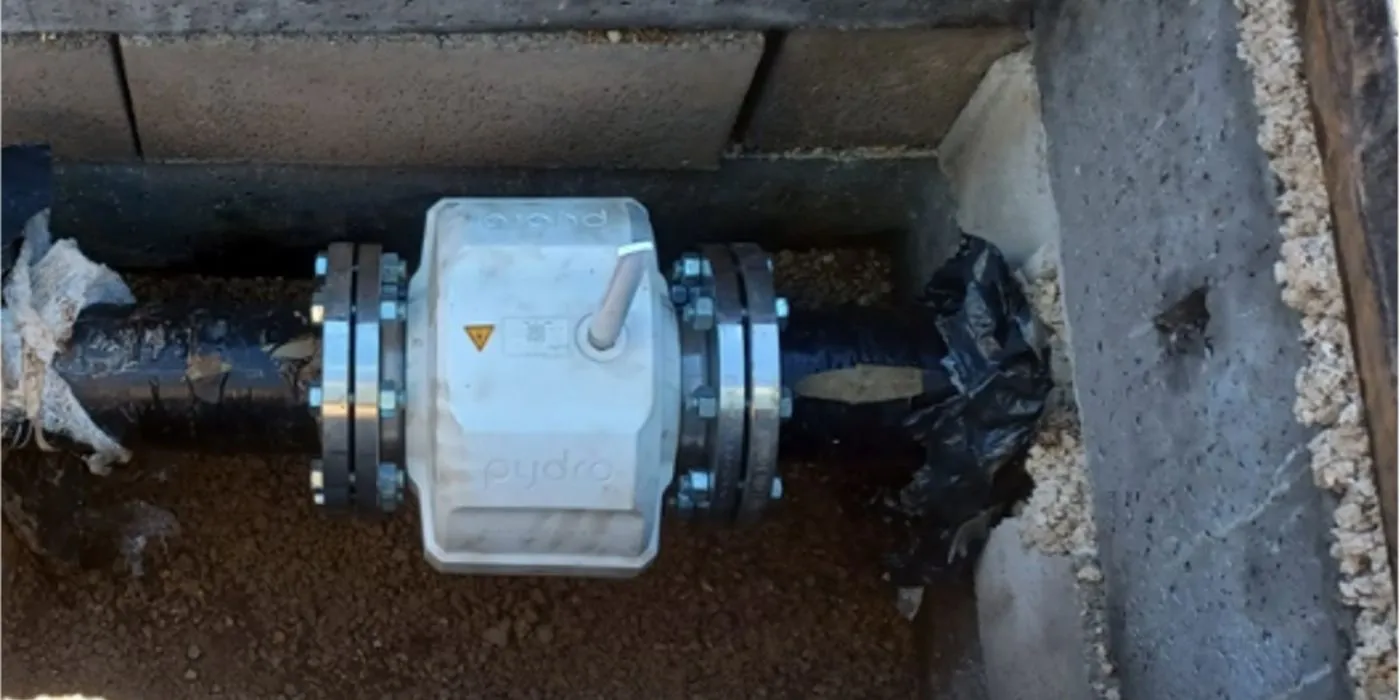
Pydro flow meter installed in a water shaft
Image: pydro.com

From a personal network that didn’t scale to a channel that has run for 17 months

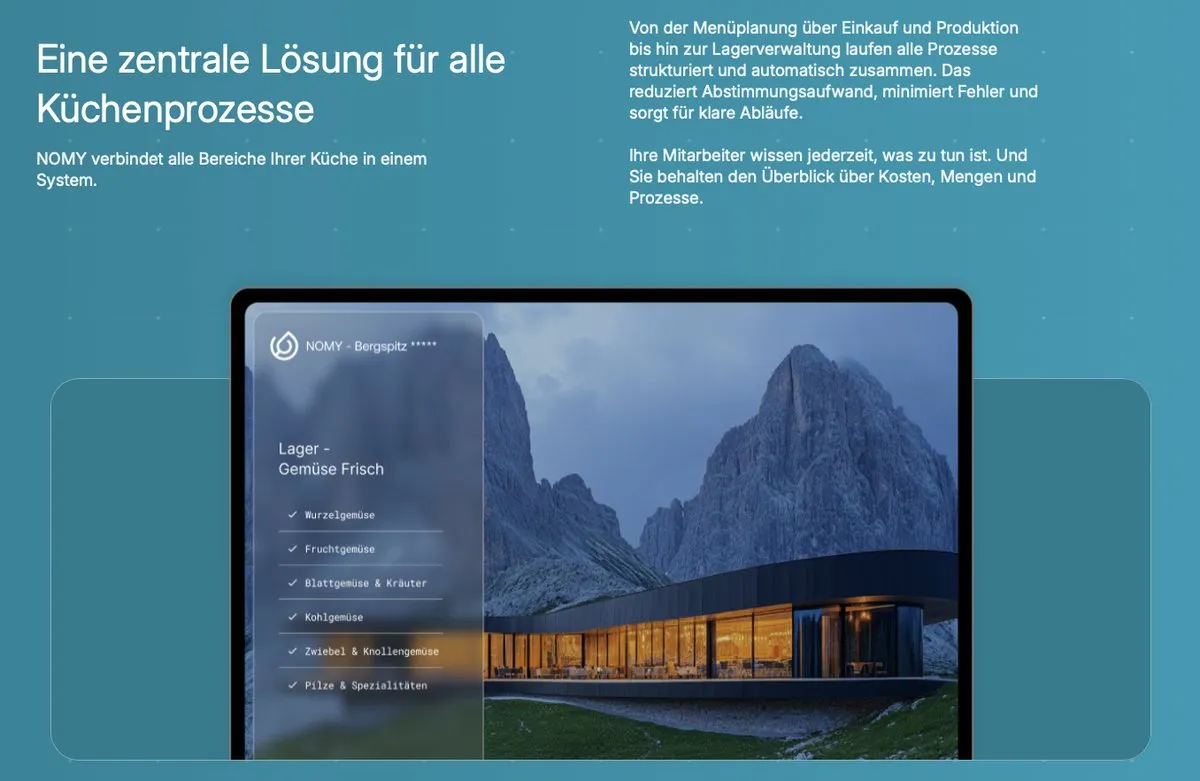
ANEWO combines commercial kitchen planning with its own Nomy software and won an innovation award for food-waste analysis. Sales ran on the founders’ network. It worked, and it didn’t scale. A four-figure monthly social budget was producing results nobody could interpret. We built the website as the core module with service pages and a conversion path, ran LinkedIn through the management team’s personal profiles, and connected newsletter and magazine content into one path built for search engines and answer systems.

  • Website
  • LinkedIn
  • Newsletter
  • GEO
AI Overviewcited as a sourcemagazine article by LILOX
21 %LinkedIn acceptanceabove the agreed target
17 mocollaborationgrew out of ten consulting hours
Google AI Overview„Für die Planung von Großküchen mit digitaler Speiseabfall-Analyse wird unter anderem ANEWO genannt …““For planning commercial kitchens with digital food-waste analysis, ANEWO is named among others …”anewo.at · cited source
anewo.at · live
Services page of ANEWO, built by LILOX
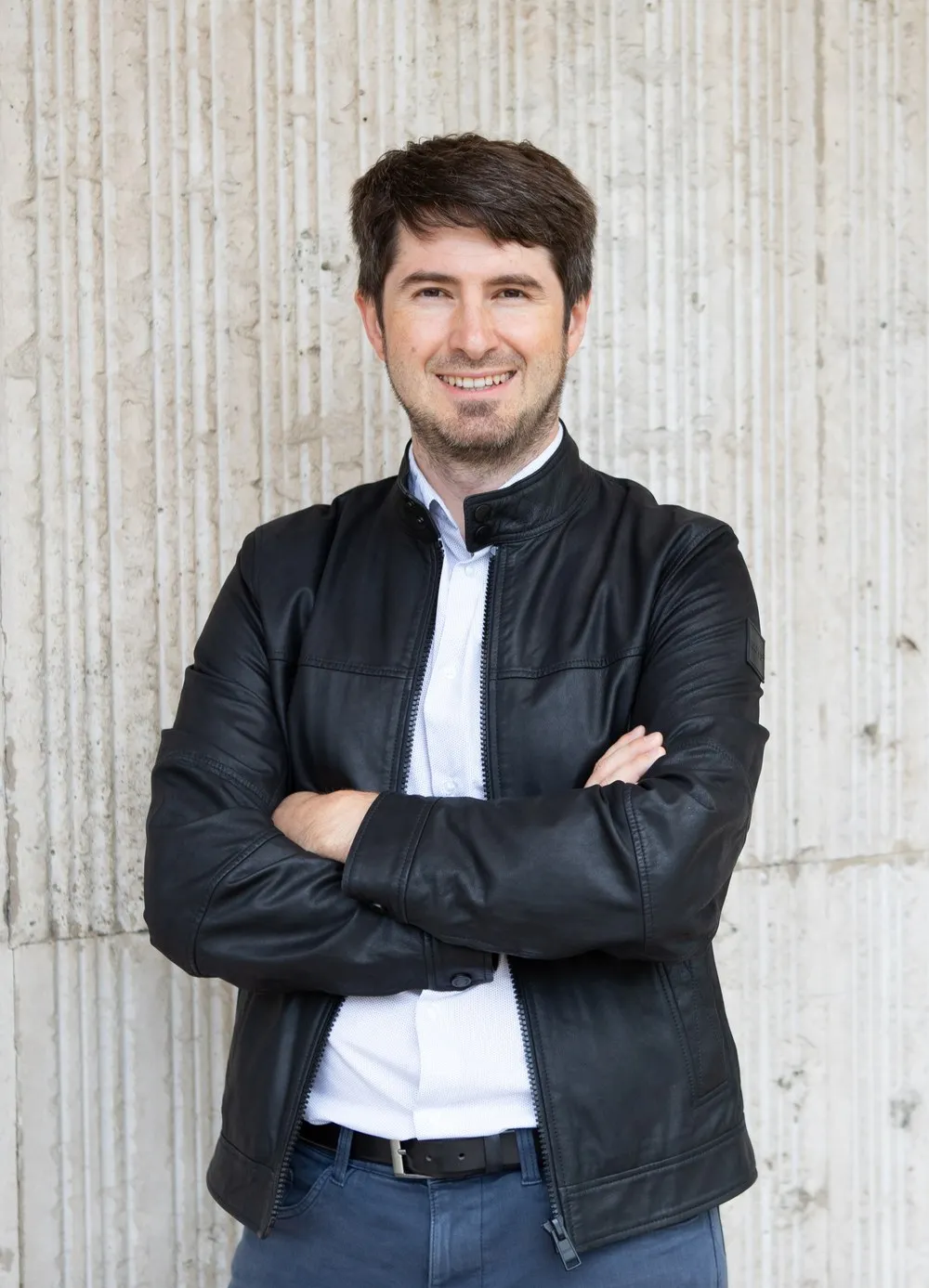
Mulundo Sichone - LILOX customer testimonial
★★★★★
“My previous agency never came close to engaging with my business in the same depth as Nadine and her team.”Mulundo Sichone · Founder, Pydro · live in six language markets
08 · Honest up front

We’d rather say no early than deliver half an entry

Should you attempt a DACH entry with a boutique partner at all?

Worth doing with us

When these five apply

  • your offering is technical and needs explaining: software, IT services, machinery, industrial hardware
  • a single deal is four to six figures and the buying cycle runs weeks to months
  • you are genuinely differentiated: better engineering, a sharper price, or a category the incumbents ignore
  • you can commit to DACH for at least twelve months, with someone reachable in CET
  • you can actually serve a German-speaking customer once you win one
Better with someone else

When any one of these applies

  • DACH is a test you’ll abandon after one slow quarter
  • you run transactional volume business or D2C retail
  • nobody on your side can handle a German-language conversation or contract
  • you want 500 leads a month, whichever ones they are
  • price is your only argument and there’s no margin left to defend it
09 · Who works with you

Two faces, one team in DACH.

You talk to the people who build your presence, not to a hotline.

Nadine Fraiss

Nadine Fraiss

Marketing

15 years in digital marketing, several of them at CMO level. Leads positioning, website and campaigns and stays your contact in day-to-day work.

Christoph Fraiss

Christoph Fraiss

Technology

Engineer and industrial engineer, Head of Engineering and managing director in production. Responsible for technology, tracking and the handover to the CRM.

Söll · Tyrol, AustriaWildhaus · St. Gallen, SwitzerlandGerman · English
10 · Getting started
90days to a presence in DACH

A pilot with goals set in advance.

You do not need to know whether the DACH market works for you. You should see it in numbers after three months.

  1. Strategy analysis and target groups by trigger
  2. Website or landing pages on .de, .at or .ch
  3. LinkedIn profiles for DACH created or rebuilt, posts for the DACH market
  4. Measuring visibility in Google and AI answers
  5. Campaign to your target customers
  6. Handover to the CRM and monthly report to headquarters

A new website or a website relaunch costs from €4,900 at a fixed price; ongoing operation starts at €2,900 a month.

11 · German readiness

How present are you in DACH today?

Tick what is already in place. Every open point costs trust before anyone talks to you.

12 · FAQ

Frequently asked questions about entering the German market

Written in the words of the prompts foreign vendors actually type into Google AI Search, ChatGPT, Copilot, Gemini and Claude when they start looking at DACH.

How does a foreign B2B company enter the DACH market?

German-language core first, sales hire second. In practice: define which companies in Germany, Austria and Switzerland are worth winning, rebuild the value proposition in German rather than translating it, publish the origin and data-residency answers openly, make the site citable for answer engines, and only then start outreach, in German, with a documented trigger per contact. Buyers in Germany do their own research first, on Google and increasingly in AI assistants, and check whether a supplier speaks German and is reachable, which is why the presence comes first: website, LinkedIn profiles and posts in German. In one campaign for an IoT company, 920 connection requests led to 195 contacts and 39 replies. We plan the start as a 90-day pilot.

Is a translated website enough for the German market?

Usually not. A translation carries the words, but not what a buyer in DACH checks: a deliberate form of address, a reachable contact person, references from the market and examples they recognise. That is why native speakers write the content in German instead of translating it. A complex B2B purchase involves six to ten decision-makers, and the people who sign, audit or object are frequently not the ones with fluent business English. An English-only presence also reads as “testing the market,” which is precisely the doubt a German buyer already has about a foreign supplier.

Do we need a website with a .de domain?

From a marketing point of view, a domain from the market helps: buyers place you faster as a supplier in their market, and content for Germany, Austria and Switzerland can be kept apart cleanly. Whether .de, .at, .ch or a section on your existing domain fits better is something we settle in the strategy analysis.

How long does German market entry take until the first conversations?

We plan the start over 90 days: strategy in the first weeks, website and LinkedIn profiles by around week 6, then the campaign. How fast conversations follow depends on market and offer. That is why we set the goals before the pilot and measure them month by month.

We already have a sales representative in Germany. Does this still fit?

Yes. The presence works for your rep: pages they can point to and enquiries that go straight to them.

Do you work in English?

Yes. We work with your headquarters in English or German. All content for the market is written in German.

Do you cover Austria and Switzerland?

Yes. LILOX is based in Tyrol, has a location in Wildhaus (St. Gallen) and its own Swiss site, liloxx.ch. Where needed, we separate content for Germany, Austria and Switzerland.

Can you also take over sales?

If needed, yes. By default we hand qualified enquiries to your sales team. If nobody sells for you in DACH yet, we can also act as your sales partner. We agree scope and model in a first conversation.

Do you help with incorporation, legal or tax?

No, that is not our field. First points of contact are Germany Trade & Invest, the German Chambers of Commerce Abroad (AHK) and your advisers.

Is being cheaper enough to win in DACH?

It gets you onto the shortlist and rarely gets you the signature. In Bitkom’s 2026 data, 95 % of German companies name trust in IT security, data protection and compliance as a must-have criterion, while only 40 % name low cost. A price advantage works here when it is framed as a trade-off you can defend, naming what you left out and why, rather than as a headline number.

What does it cost?

A new website or a website relaunch costs from €4,900 at a fixed price; ongoing operation starts at €2,900 a month. Fixed price against a scope agreed in advance, cancellable monthly, and the system belongs to you afterwards.

Who writes the German, and is it machine translated?

The team is native German-speaking and based in Austria and Switzerland. AI tooling handles research and groundwork and makes us fast. Approval is by hand: nothing reaches your new market that a founder hasn’t personally reviewed and you haven’t signed off. Machine-translated marketing copy is recognizable to a German-speaking reader within two sentences, and it costs you exactly the credibility you came here to build.

We tried DACH once and it didn’t work. Is a second attempt different?

Often yes, and the diagnosis is usually the same: a sales hire with no demand behind them, or an English site with a German menu bar. Those attempts leave assets behind: a domain with history, some contacts, sometimes one customer. We start by auditing what exists, because a second entry with one real local reference is a far stronger position than a first entry with none.

Present in DACH before you need an office.

DACH Market@LILOX

Thirty minutes on whether this market is worth your next twelve months. You describe the product, the market you already win in and what you’ve tried here. We tell you where the fastest lever is, what the entry realistically costs, and what would have to be true for it to work. If we think you shouldn’t enter DACH yet, you hear that in the same call, with reasons.

30 minutes, in English or German.

What you walk away with

  • An honest read on whether DACH is your next market or your next distraction
  • The three moves with the highest leverage for your specific product
  • A realistic budget and timeline for the German core module
  • A named check on what your competitors already occupy in German search and AI answers
  • No deck, no follow-up sequence, no obligation
30 minon the call
3prioritized moves
2founders at the table
0sales pitch
Sources · as of 29 Sept 2026
  1. Bitkom: Wirtschaft ruft nach deutscher Cloud (2025)
  2. Bitkom, Cloud Report 2026 (603 companies with 20+ employees, representative, June 2026): US providers used 71 % vs preferred 8 %; trust as must-have 95 % vs low cost 40 %.
  3. CSA Research via tcworld: Can't Read, Won't Buy (2020, consumers)
  4. YouGov/Seokratie: AI study among business owners (2026, German)
  5. 6sense, B2B Buyer Experience Report 2025 (November 2025): 94 % have a preferred vendor before first contact, 77 % buy from that vendor.
  6. Gartner, The B2B Buying Journey: 6–10 decision-makers per complex purchase.
  7. G2, Buyer Behavior Report (1,076 respondents, fielded March 2026, published April 2026): 51 % start research in an AI chatbot vs 29 % in April 2025; one third bought from a previously unknown vendor.
  8. Client results: LILOX success stories: Pydro, ANEWO, DRIP, Schwab AG, netwiss