TOOLS & TECHNOLOGY
The 5 tools in B2B digital marketing you should try
Build visibility, simplify processes, measurably win more leads — with the right tool set.
Five tools that really make a difference in digital B2B marketing — from AI content to project management.
Digital B2B marketing is evolving faster than ever. New tools, artificial intelligence, and automation are changing how content is created and distributed — and how leads are generated and qualified. Success in B2B marketing doesn’t mean following every trend, it means knowing the right tools. This article presents five essential tools that help you build visibility, simplify processes, and measurably win more leads.
Keep reading: Tool selection in B2B and AI in customer acquisition.
A ranking from an agency survey doesn’t tell you which tool your company needs first.
Rankings change with the sample. Your own bottleneck doesn’t.
/ 01 — The 5 tools at a glance
Five tools that measurably bring more leads
From AI content through social and SEO to outreach and project management — each tool covers a specific lever.
1
Tool 1
ChatGPT Pro — Content & automation
AI-assisted writing has long been standard — ChatGPT Pro sets new standards with individually trained prompts and saved workflows: generating copy, planning campaigns, refining concepts. For a multi-stage email campaign, all the copy including A/B variants is created within a few hours. Combined with an image generator, the tool delivers brand-compliant visuals for social and blog content.
2
Tool 2
Buffer — Social media without the stress
Regular content on LinkedIn & co. is a must — many struggle with execution. Buffer solves this with clear planning, automated posting, and detailed analytics. The “Best Time to Post” feature reaches your audience exactly when they’re active — a noticeable lever for organic reach in B2B.
3
Tool 3
SE Ranking — SEO for smart marketers
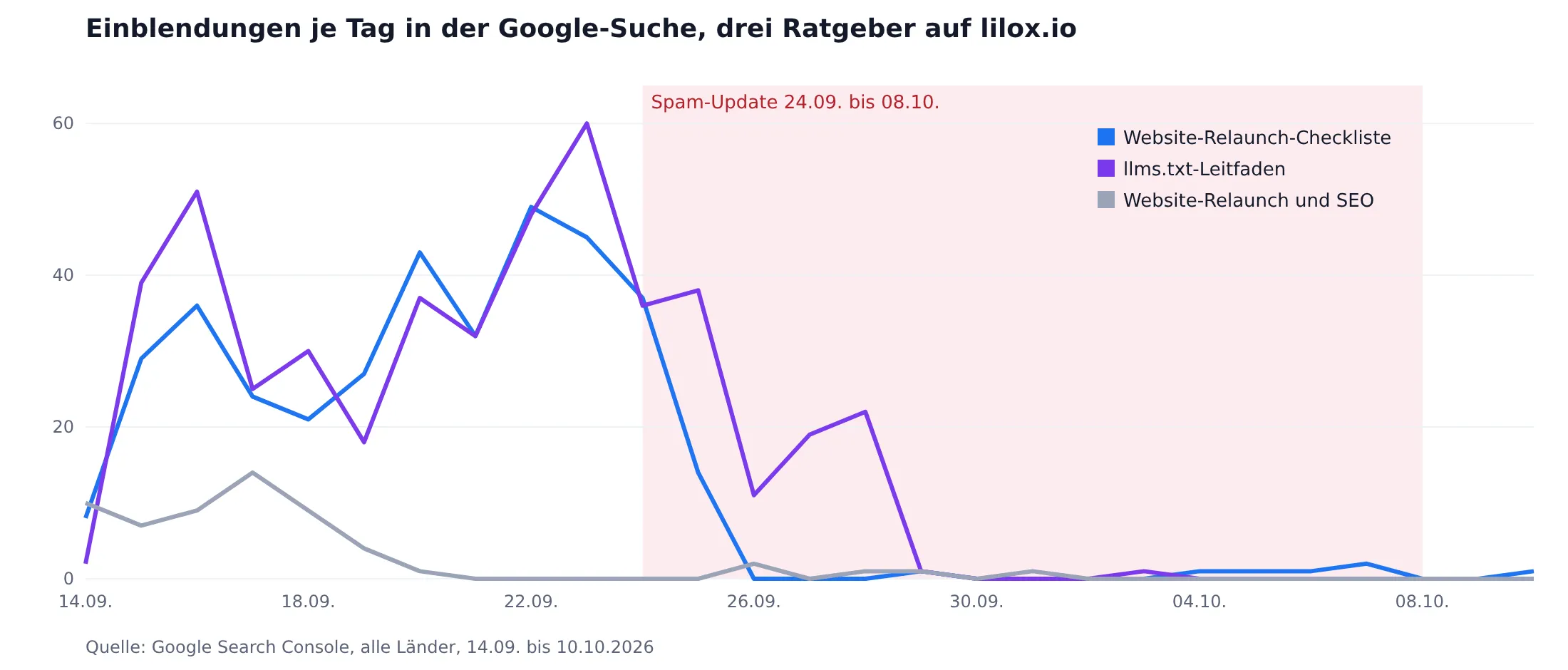
SEO works differently in B2B than in B2C. SE Ranking delivers exactly the functions that matter: keyword monitoring, competitive analysis, and on-page optimization. Ideal for small and medium-sized companies looking to build their visibility strategically. One caveat about the figures that circulate in this field: Sagefrog’s B2B Marketing Mix Report put SEO usage at 49% of respondents for 2022, ahead of every other tactic, and that number stood in an earlier version of this article. Three editions later, the same study series ranked organic search as a lead source at 11%, in 11th place out of 12, and the tactic list the 49% came from no longer appears in the 2026 edition at all. Sample and industry mix change with every edition, which is why a ranking of that kind is no basis for your own tool decision.
4
Tool 4
Hunter.io — professional email outreach
Good outreach starts with the right contacts. Hunter.io finds verified email addresses of decision-makers and automates mail merges, follow-ups, and CRM integration. The lever lies in verification. Every address checked in advance doesn’t trigger a bounce and doesn’t hurt the sending domain’s deliverability reputation. Anyone who keeps the list clean and automates follow-ups lands in the inbox more often instead of the spam folder, and saves the manual research of individual addresses.
5
Tool 5
awork — structure for marketing projects
awork is a project management tool for agile marketing and sales teams: to-do lists, kanban boards, and smart automations in one place. When campaign planning, responsibilities, and deadlines live in one place, the back-and-forth that otherwise runs through chat and email disappears. That’s exactly where the time savings come from. Integrations with Slack, Canva, or Google Drive turn awork into a command center.
/ 02 — FAQ
Frequently Asked Questions
Mirrors the real prompts from Google AI & ChatGPT around B2B marketing tools.
What tools do I really need for B2B marketing?
No big stack — a smart set. Most B2B teams need just five building blocks: an AI tool for content (like ChatGPT Pro), a social scheduler (Buffer), an SEO tool (SE Ranking), an outreach tool (Hunter.io), and a project management tool (awork).
Does AI already pay off in B2B marketing?
Yes — especially for content creation, research, and campaign planning. AI doesn’t replace strategy, but it noticeably speeds up routine work and frees up time for the strategically important tasks.
How many marketing tools make sense?
As few as possible, as many as necessary. What matters isn’t the number, but that the tools work together and actually get used. If you want to grow, you don’t need a huge team — you need a smart tool set.
/ 03 — Who it’s for
Built for companies whose offering needs explaining.

IT & software service providers
With explanation-heavy services and few, high-value customers.

Manufacturing industry & mechanical engineering
Selling complex technology to a small number of major decision-makers.

Startups & scale-ups
Companies that want to become visible quickly and credibly.