MAGAZINE · LEAD GENERATION & FUNNEL
Buying Groups in B2B: More Than One Person Decides
Why an entire committee stands behind every purchase decision.
In B2B sales, it’s not enough to impress a single person. Behind almost every successful purchase decision stands an entire buying committee – a buying group made up of various stakeholders with different interests and priorities. Whoever overlooks this risks long cycles, lost deals, or a lack of buy-in during implementation. We show you how to address buying groups in a targeted way – and why that matters more today than ever.
/ 01 — Individual decisions
Why individual decisions are the exception
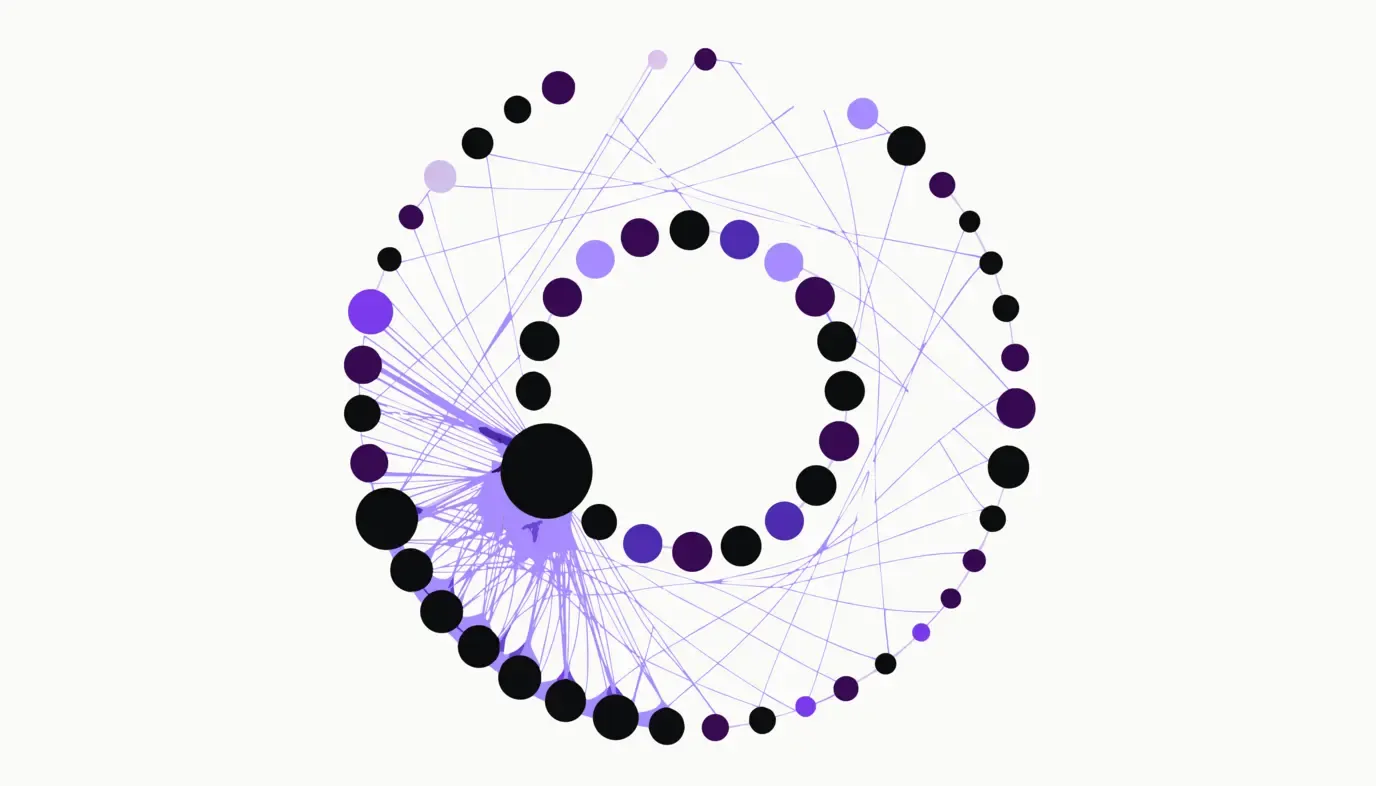
A typical B2B purchase decision today is carried by 13 internal participants and nine external influencers (Forrester, The State of Business Buying 2026, January 2026) – in very different roles: users, technical decision-makers, buyers, budget owners, strategists, sometimes compliance or data protection. Each brings their own requirements and pain points.
Example: An IT manager is interested in interfaces and security. The sales team wants ease of use. Procurement watches ROI and long-term costs. Executive management asks about strategic scalability. If you address only one of these aspects, you lose relevance further down the process – or don’t get recommended internally.
A typical B2B purchase decision today is carried by 13 internal participants and nine external influencers.
Forrester, The State of Business Buying 2026
/ 02 — Stakeholders
Stakeholder analysis: who’s at the table?
Before you plan a campaign or an offer, it helps to clarify four questions:
- Who is the official decision-maker?
- Who are the day-to-day users?
- Who typically blocks new tools?
- Who needs to be convinced on technical merits?
Simple stakeholder mapping with tools like Miro, Notion, or Asana makes roles, influence level, and interests visible – so you can prioritize which content fits whom.
/ 03 — Messaging
Buying-group-based messaging
Most copy addresses “the company.” But the buying group consists of people with their own questions. Differentiate your messaging:
- Decision-makers: business impact, ROI, strategic fit
- Users: usability, time savings, everyday practicality
- Technical staff: interfaces, data protection, security
- Procurement: price, contract model, flexibility
Dynamic landing pages (e.g., with HubSpot or WordPress plugins) serve up content tailored to traffic source or persona.
/ 04 — Content
Developing content for buying groups
Develop formats specifically for the different roles:
- Use cases for departments (“How team X became 30% more efficient with tool Y”)
- Business cases for decision-makers (including ROI calculation)
- Technical sheets for IT
- FAQs for procurement and compliance
Use this content on the website, in follow-ups, or in the email sequence – personalized and context-specific.
/ 05 — Champions
How to support internal champions
Often there’s an enthusiastic person within the buying group who still has to convince others internally – the “champion.” What they need:
- Shareable materials (PDFs, slide decks)
- Supporting arguments (“10 reasons why X is the right tool”)
- Support with internal presentations
Tools like Canva, Pitch, or Loom help prepare this content quickly and ready to forward.
Buying groups aren’t an obstacle, but real potential – if you recognize their structure and address them in a targeted way. Whoever understands which roles sit at the table differentiates content and communication and supports the customer’s internal processes. The result: higher close rates, shorter cycles, and a stronger bond even before the contract is signed.
Keep reading: The influence of ChatGPT on the buying journey · Digital buying journey in B2B
/ 06 — FAQ
Frequently Asked Questions
Reflects the real prompts from Google AI & ChatGPT around buying groups and buying committees in B2B.
What is a buying group in B2B?
A buying group (or buying committee) is the group of all people involved in a B2B purchase decision – on average 13 internal participants plus nine external influencers according to Forrester’s State of Business Buying 2026, ranging from users to IT and procurement to executive management, each with their own priorities.
Why isn’t it enough to convince one person?
Because each role has different requirements. If you address only one aspect, you lose relevance during the process or don’t get recommended internally. Only once several stakeholders are convinced does the decision hold.
How do I address a buying group in a targeted way?
With a stakeholder analysis, role-specific messaging, and matching formats (use cases, business cases, technical sheets, FAQs) – plus material your internal champion can pass along internally.
/ 07 — Who it’s for
Built for companies whose offering needs explaining.

IT & software service providers
With services that need explaining and a few, high-value customers.

Manufacturing industry & mechanical engineering
Selling complex technology to a small number of major decision-makers.

Startups & scale-ups
Companies that want to become visible quickly and credibly.